
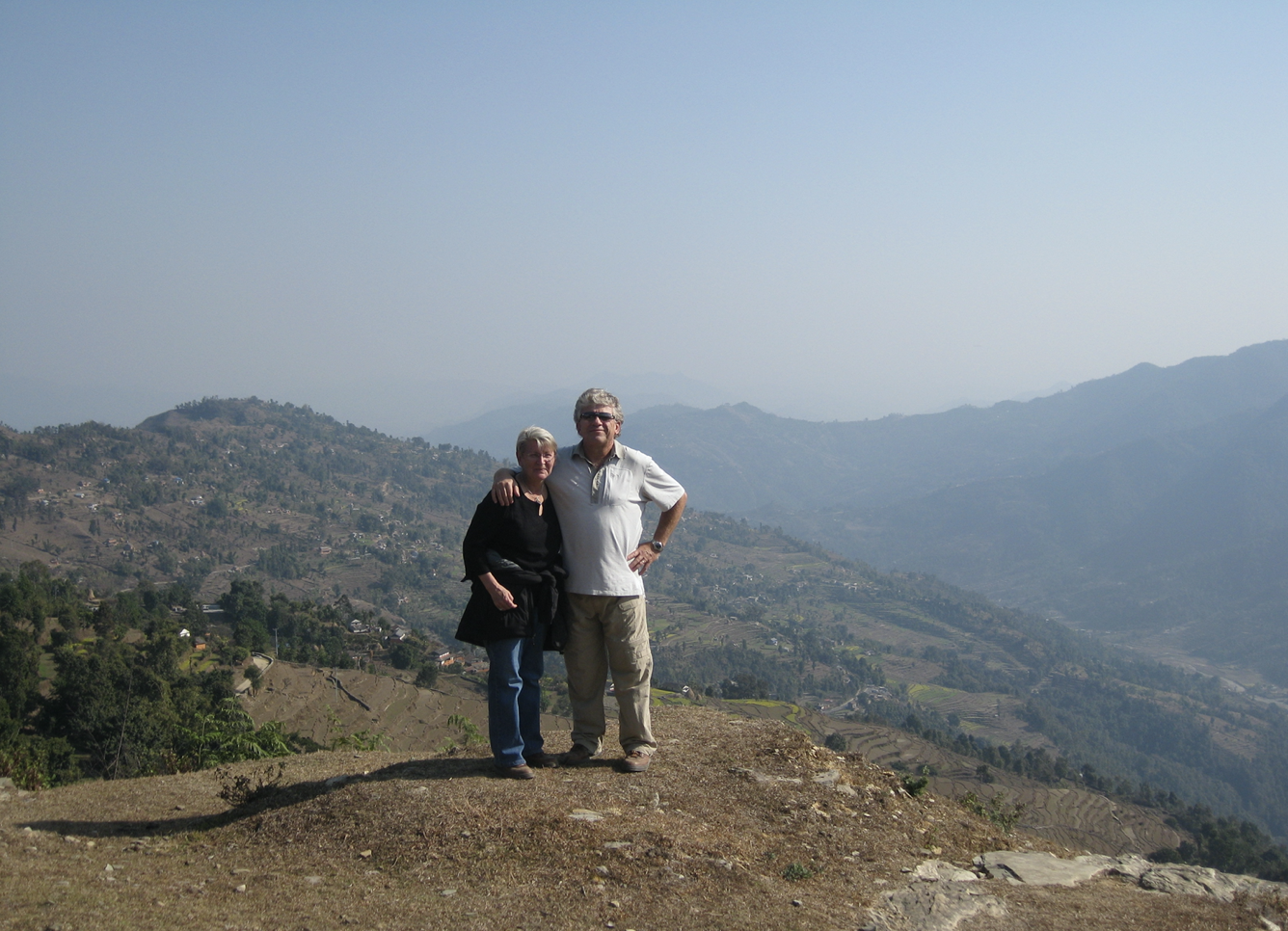
For Robert “Bobby” Sveinbjornson, writing his memoir Memories was about more than simply recording stories from childhood. It was about preserving a way of life that shaped generations of rural Saskatchewan families.
“I truly believe this should be told and recorded as family history, because no family history is a tree without roots,” Sveinbjornson writes in the introduction to the book.
The memoir chronicles his upbringing on the family farm near Churchbridge during the 1950s, 1960s and early 1970s. Filled with family photographs, personal reflections and vivid descriptions of daily life, the book captures a prairie childhood built on hard work, strong family ties and simple pleasures.
Sveinbjornson was born in the Langenburg hospital on March 20, 1954, and grew up with five siblings on the family’s mixed farm operation consisting of grain land and cattle. He recalls a very different Saskatchewan than the one people know today.
“Our house/home was two stories,” he writes, describing the modest farmhouse that sheltered a family of eight. “We had no toilet inside the house, so it was outside to the outhouse.”
Water had to be hauled in from town because the farm did not have a well. One of Bobby’s spring chores was cleaning the cistern by climbing into the small underground space himself.
“So guess who had to clean out the cistern every spring? Yours truly!” he jokes.
Yet despite the physical hardships and lack of modern conveniences, Sveinbjornson repeatedly emphasizes that he never felt deprived.
“I could not wish for a better upbringing,” he writes. “Good food, good clothes, heat and shelter were always there for myself.”
One of the major turning points he remembers was when electricity finally arrived on the farm in August 1958.
“I watched when they put up that tall pole, and string the power lines to the house,” he recalls. Television followed a few years later, changing winter evenings forever. Programs like Bonanza, I Love Lucy and the Yorkton news became staples in the household.
He vividly remembers arriving home from school on November 22, 1963, to find his parents watching television coverage of the assassination of President John F. Kennedy.
“Mom and dad were watching closely and they were both shaken up by the event. Very sad indeed.”
Much of Memories focuses on the daily rhythm of prairie farm life. Sveinbjornson learned to drive at an incredibly young age. By age eight, he was operating the family’s 1949 Mercury truck.
“Dad put a pillow on the driver’s seat, so I could see over the steering wheel,” he writes. “I was driving a standard since I was eight years old!”
His first experience behind the wheel actually came even earlier on the family’s “little grey Ford tractor,” a machine that features prominently throughout the memoir.
Farm work dominated much of childhood and teenage life. Bobby and his older brother Ronnie spent countless hours feeding cattle, shovelling manure, stacking hay bales and helping during harvest season.
“Work hard, play hard, eat hard!” he writes while describing long days spent operating threshing equipment and gathering grain stooks by hand.
Sveinbjornson carefully documents farming methods that have largely disappeared from Saskatchewan agriculture. He describes using binders, threshing machines, straw stacks and hay sleds long before modern combines and round balers became common.
“Everything looked so big when you are a kid,” he reflects, “now when you see the same machinery you say wow, that was small.”
The memoir is also deeply rooted in family relationships. His memories of his grandmother are among the warmest in the entire book. During winter chores, Bobby and Ronnie often made quick trips to “Grandma’s house” for food and warmth.
“Winter time she always had Livra Pylsa for us and to this day, it was a fond memory,” he writes. “She also had home made cookies, bread, cakes, home made jams and other goodies.”
He fondly recalls his grandmother’s cookie jar always being nearby and how she listened in on the old party-line telephone system to catch up on local news and gossip.
Food plays a major role throughout Memories. Sveinbjornson repeatedly praises his mother’s cooking and baking.
“Mom was an excellent cook and she put on a spread like no one else,” he writes. Holiday meals included homemade bread, cookies, cakes and Icelandic vinarterta. Christmas was always a major celebration complete with decorations, gifts and boxes of mandarin oranges wrapped in thin paper.
The memoir also paints a vivid picture of childhood before modern technology. Bobby recalls skating on the dugout, digging tunnels through snowbanks, playing crokinole and Monopoly for hours, riding bikes along gravel roads and attending the Yorkton fair every summer.
“There was no helicopter parents when we grew up!” he writes. “We were free to roam, play wherever and just be kids.”
As the book moves into the late 1960s, broader world events begin to enter the story. Sveinbjornson remembers watching Beatlemania sweep across Canada after the Beatles appeared on The Ed Sullivan Show in 1964.
“We were all glued to the TV,” he writes.
He also references Expo 67, Trudeaumania, the moon landing, the Vietnam War protests and the changing social culture of the era. Yet despite those changes, rural life around Churchbridge continued to revolve around school, sports, farming and community events.
Sports and recreation became important parts of his teenage years. He participated in curling, softball, baseball, broom ball and track and field through Churchbridge School.
“How did we find time for all the activities, plus doing chores?” he asks. “Simple, there was no video gaming, limited TV, no internet and no social media.”
One of the most personal sections of the memoir details meeting Lynn, the woman who would become his lifelong partner. The two met through friends while attending a beer garden in St-Lazare, Manitoba.
“So the life long relationship started!” he writes.
Dating Lynn required long drives between Churchbridge and Rocanville in the family’s 1960 Pontiac Parisienne. One memorable trip nearly left the car stranded after he used almost all the gas driving back and forth.
“I was in the dog house for a few days!” he admits after his mother ran out of gas on the way to work the next morning.
By the conclusion of Memories, Sveinbjornson reflects proudly on the life lessons learned growing up on the farm.
“Hey we all turned out pretty good!!” he writes.
The memoir closes with gratitude for the upbringing that prepared him for a successful future career in the oil and gas industry while preserving a record of prairie life for future generations.
“Future generations can now read what it was like back in the 50’s, 60’s, 70’s growing up on a farm in rural Saskatchewan,” he writes.
Through humour, honesty and remarkable detail, Robert Sveinbjornson’s Memories captures not only one family’s story, but also the spirit of rural Saskatchewan during a transformative era in prairie history.